Disability inclusion in counter-trafficking
Persons with disabilities face heightened risks of trafficking, yet their experiences and needs are often overlooked in counter-trafficking responses. Disability and trafficking intersect in two main ways – persons with disabilities may become victims of trafficking, or victims of trafficking may acquire a disability as a result of exploitation.
Research ASEAN-ACT conducted in collaboration with La Trobe University (2024-2025) identified critical gaps in how trafficking risks affecting persons with disabilities are understood and addressed.
ASEAN-ACT partners with Organisations of Persons with Disabilities (OPDs) to help address these gaps and strengthen disability-inclusive counter-trafficking approaches across Southeast Asia.
Across the region, persons with disabilities face structural barriers to education, employment, health, justice and other essential services. These barriers increase vulnerability to all forms of trafficking in persons. Despite this, disability remains under-represented in counter-trafficking laws, policies, victim support systems, and data.
ASEAN ACT’s partnerships with OPDs aim to ensure that counter trafficking responses are inclusive, accessible, and grounded in lived experience.
Inclusive partnerships
Through partnerships and grant funding, ASEAN ACT works with OPDs in the ASEAN region to:
• strengthen disability-inclusive counter-trafficking policy and practice
• improve access to services for victims of trafficking with disabilities
• ensure persons with disabilities participate meaningfully in shaping solutions that affect their lives.
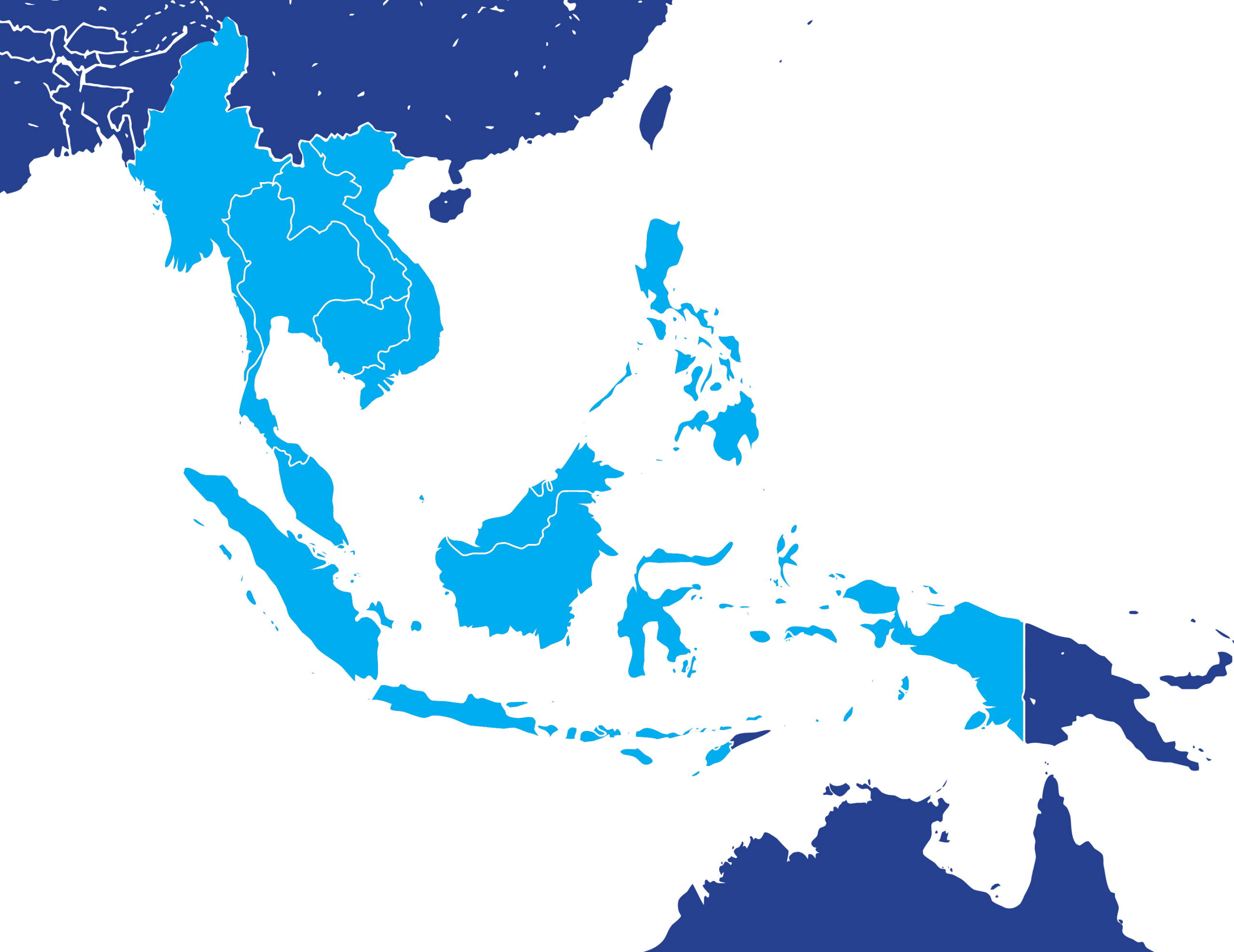
Since 2024, ASEAN ACT has supported OPDs and civil society organisations in Indonesia, Thailand, and the Philippines, with expansion to Cambodia, Lao PDR, and Viet Nam from 2025.
Why partnering matters
Findings from our research indicate that counter-trafficking stakeholders – both government and non-government – have yet to systematically engage OPDs in their interventions, despite evidence that persons with disabilities are affected by trafficking. This highlights a critical disconnect between emerging risks and current responses.
Partnerships with OPDs are therefore essential to strengthening effective counter-trafficking responses. OPDs bring specialist expertise, lived experience, and trusted community networks. Their engagement helps ensure that policies and services address real-world barriers faced by persons with disabilities, strengthen prevention, improve victim identification and protection, and support more responsive justice systems.
Through its partnerships with OPDs, ASEAN-ACT has learned the value of collaboration between disability advocates and counter-trafficking practitioners.
Working together helps to identify gaps, challenge assumptions, and strengthen the relevance and inclusiveness of interventions. Importantly, these partnerships also help elevate and amplify survivor-voices – particularly survivors with disabilities – ensuring their experiences are better reflected in policies and practice.