Across ASEAN, significant progress has been made in establishing regional commitments to combat trafficking in persons. Yet a persistent challenge remains in translating these commitments into practice at the national and frontline levels.
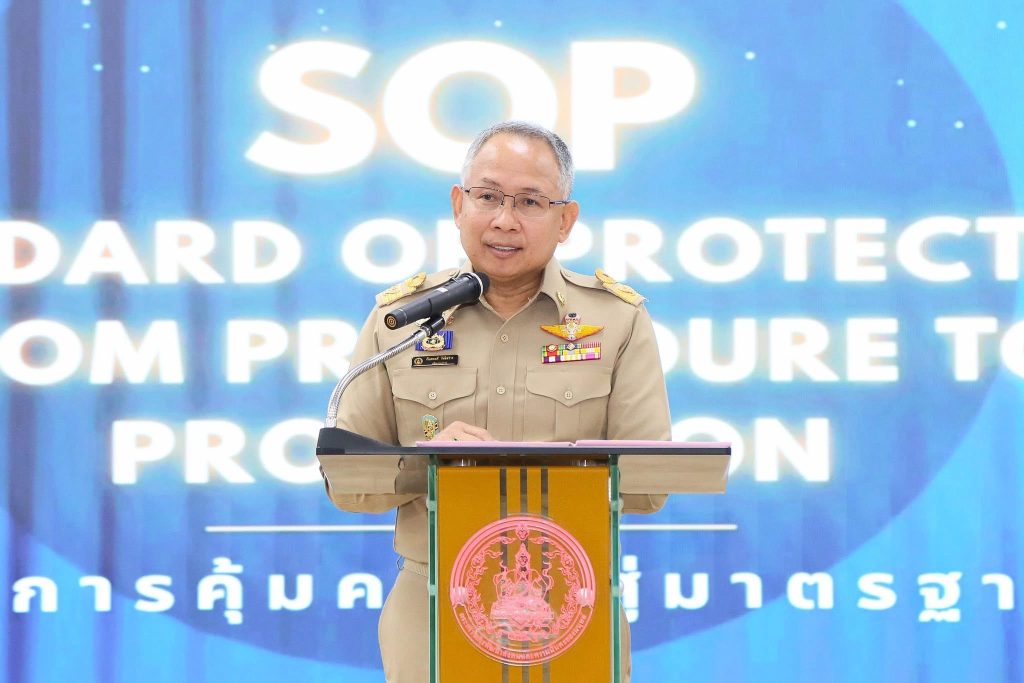
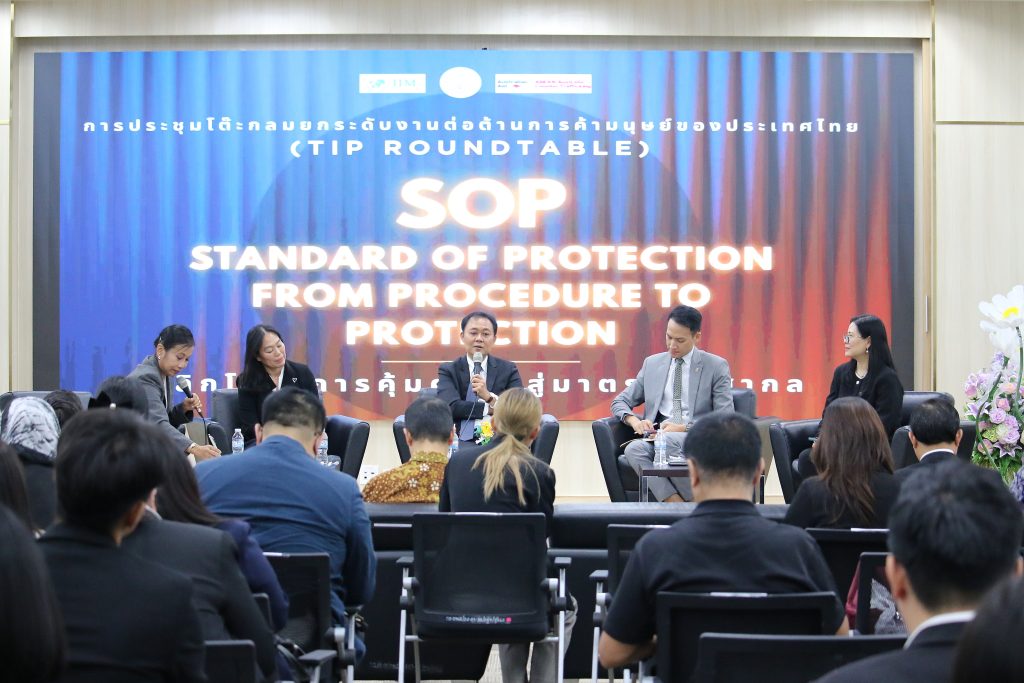
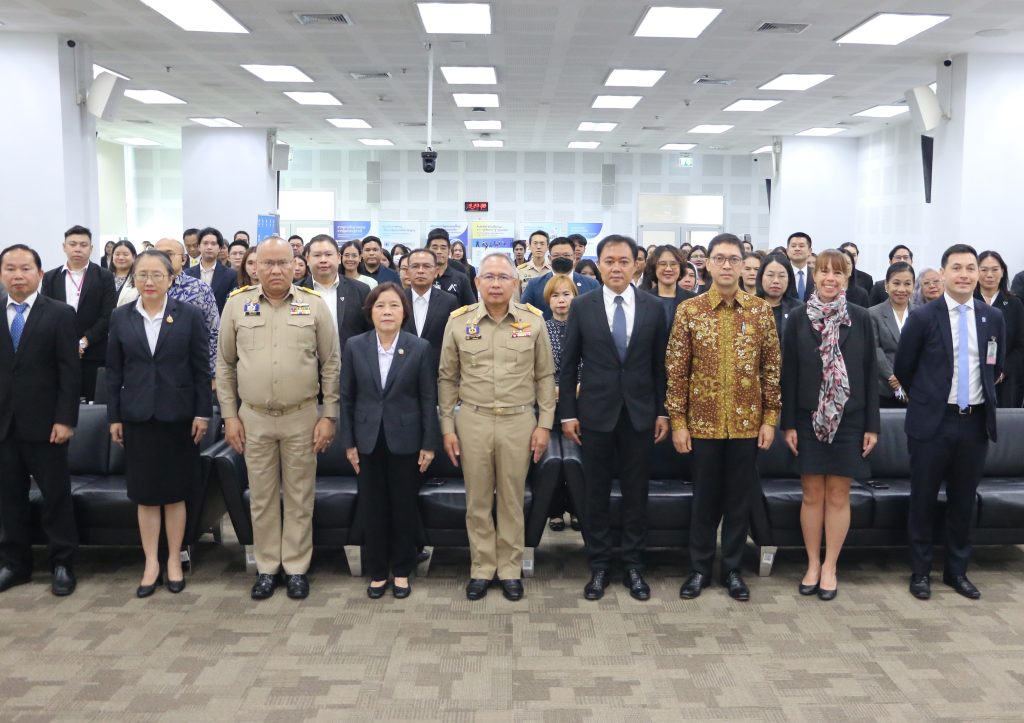
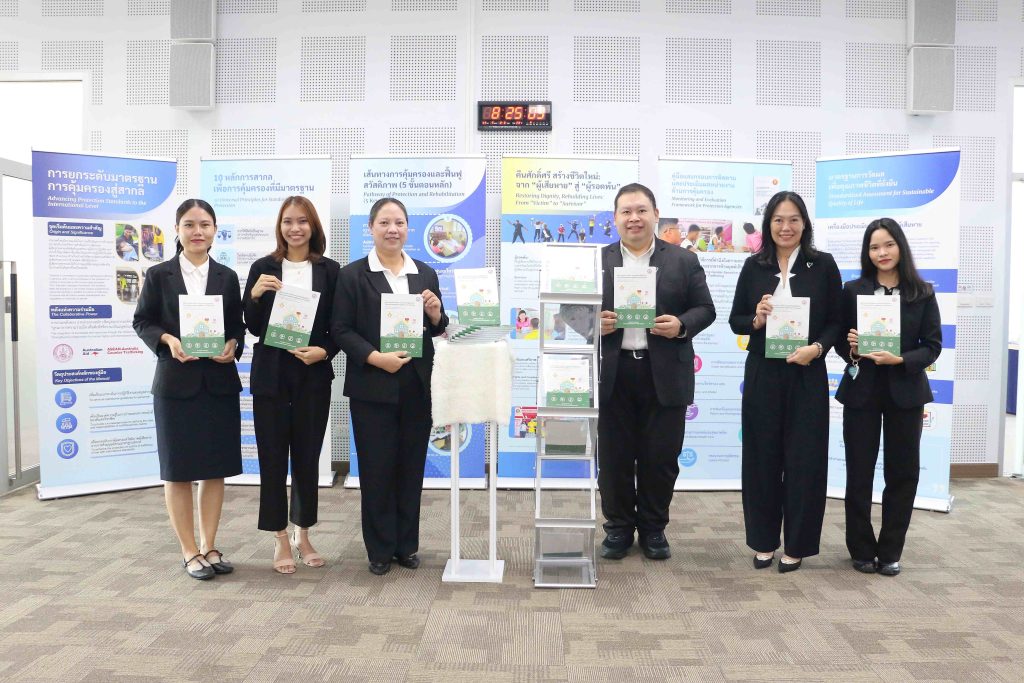
Thailand’s launch of a revised Standard Operating Procedure (SOP) for Welfare Protection Centres for victims of trafficking on 11 May 2026 in Bangkok, Thailand, offers a clear example of how this gap can be addressed. It demonstrates how regional standards can be translated into concrete reforms that shape how protection is delivered on the ground.
Led by the Ministry of Social Development and Human Security (MSDHS), the SOP was developed with support from the Australian Government-funded ASEAN-Australia Counter Trafficking (ASEAN-ACT) program, in close collaboration with International Justice Mission (IJM) Thailand and frontline practitioners from both government agencies and NGOs.
The revision of the SOP was informed by the ASEAN Guidebook for Monitoring Gender-Sensitive and Victim-Centred Approaches to Trafficking in Persons, also supported by ASEAN-ACT as part of a multi-year project with the ASEAN Commission on the Promotion and Protection of the Rights of Women and Children. These efforts reflect a broader shift – from regional consensus to operational consistency – linking ASEAN guidance to national systems and everyday practice within shelters.
Thailand is largely a destination country for trafficking – many people are trafficked for labour exploitation, particularly in sectors such as agriculture and fishing, while women and children are especially vulnerable to sexual exploitation. The diverse experiences and backgrounds of victim-survivors require protection systems that deliver both consistency and flexibility.
At the heart of this challenge is the reality that victim-survivors of trafficking often experience multiple, intersecting vulnerabilities – including gender, age, migration status, disability, and the effects of abuse and exploitation. These factors shape both the risks individuals face to experiencing further victimisation and the support they need to recover from their experience. Standardised systems are essential, but without the ability to respond to individual circumstances, they risk failing those they are designed to protect.
A key issue in implementation is how protection systems function in practice. Even well-intentioned measures can create unintended barriers. Requirements for some victims – particularly foreign victims – to remain in shelters during legal proceedings have been shown to discourage reporting and participation in the justice process. That is why the revised SOP promotes a rights‑based approach, including respect for freedom of movement and survivor agency.
The revised SOP directly addresses these issues by embedding gender-sensitive and victim-centred approaches into the operational framework of shelters. It establishes clear procedures across the full continuum of care – from admission and case management through recovery, rehabilitation and reintegration – reducing variability between facilities. In doing so, it reinforces a critical shift from viewing protection as a set of services, to understanding it as an integrated system that must consistently deliver for survivors across different contexts. Inconsistent approaches can undermine recovery, while clear and well-implemented procedures help ensure that principles such as do no harm are consistently applied.
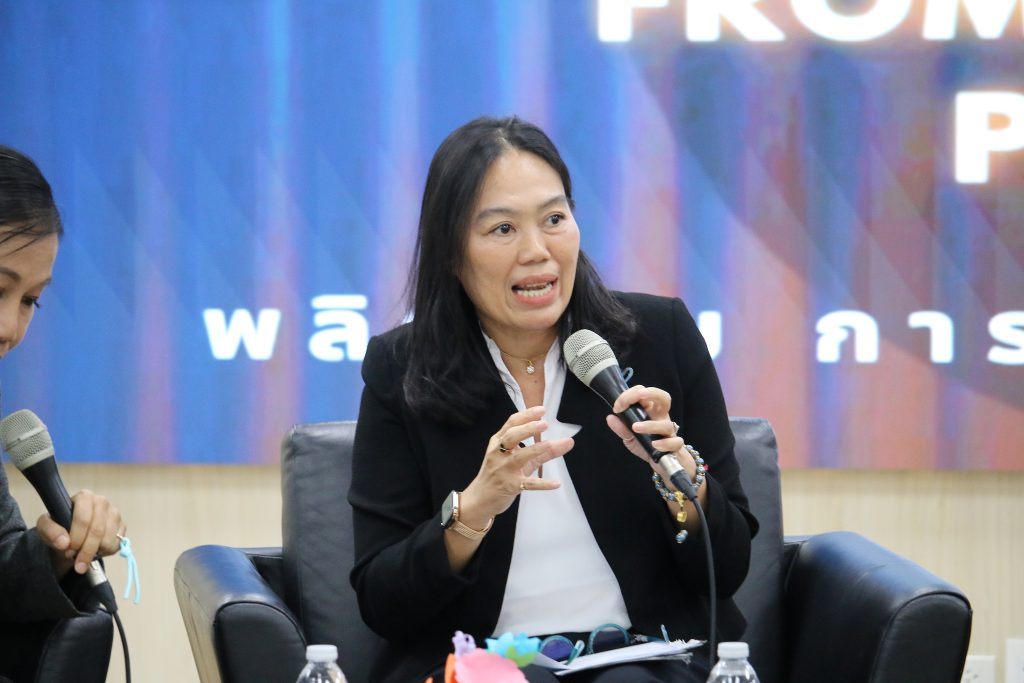
At the launch, Mr Ratchapon Maneelek, Director of the Division of Anti-Trafficking in Persons at MSDHS, noted:
“Strengthening protection is not only about improving systems, but about ensuring those systems respond to the real experiences and needs of victims. This SOP helps us move in that direction by providing clearer guidance for frontline practice, while recognising that each survivor’s journey is different and requires an appropriate and flexible response.”
Enhancing the quality and consistency of shelter-based care and the support provided for recovery and reintegration of victim-survivors is one step among many Thailand is taking to improve its national system for responding to trafficking in persons.
Thailand’s experience offers a broader lesson for the region: translating ASEAN commitments into practice requires sustained investment not only in policy, but in systems, people, and accountability mechanisms. Regional frameworks provide important vision and direction, but it is the way they are implemented in frontline settings that ultimately determines whether victim-survivors receive the protection and support they need to ultimately move on with their lives.
See the Shelter SOP video explanation here: