A year of discovery leads to a powerful graduation for leaders across the ASEAN region.
Posted on
5 January 2026
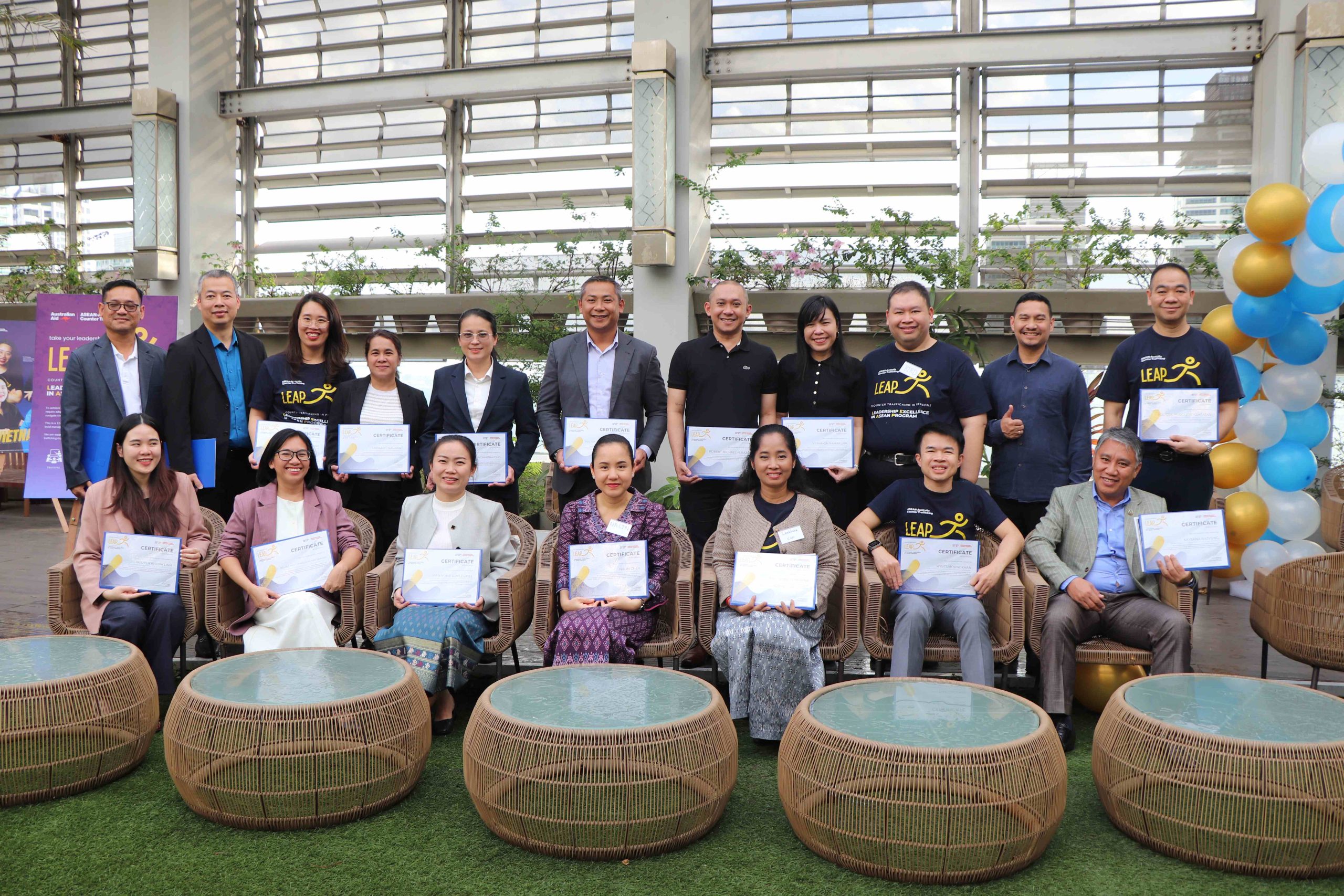
For most practitioners in counter‑trafficking, time is measured in cases, deadlines, and the pressure of immediate decisions…
But for twenty senior government officials from across Southeast Asia, completing a year-long leadership course – the Counter Trafficking in Persons Leadership Excellence in ASEAN Program (CTIP LEAP) – a rare opportunity presented: a chance to pause, reflect, and examine the deeper patterns shaping their decisions and influence.
Participants for the 2025 cohort were selected from Cambodia, Lao PDR, Thailand, Vietnam and the Philippines – each bringing different roles, systems, and counter-trafficking realities to the group.
One participant reflected on how much had shifted for them over the year:
I found that I have a changed vision, changed characteristics and emotions from the past.”
— Pol. Col. Inpong Louangpanya (Lao PDR)
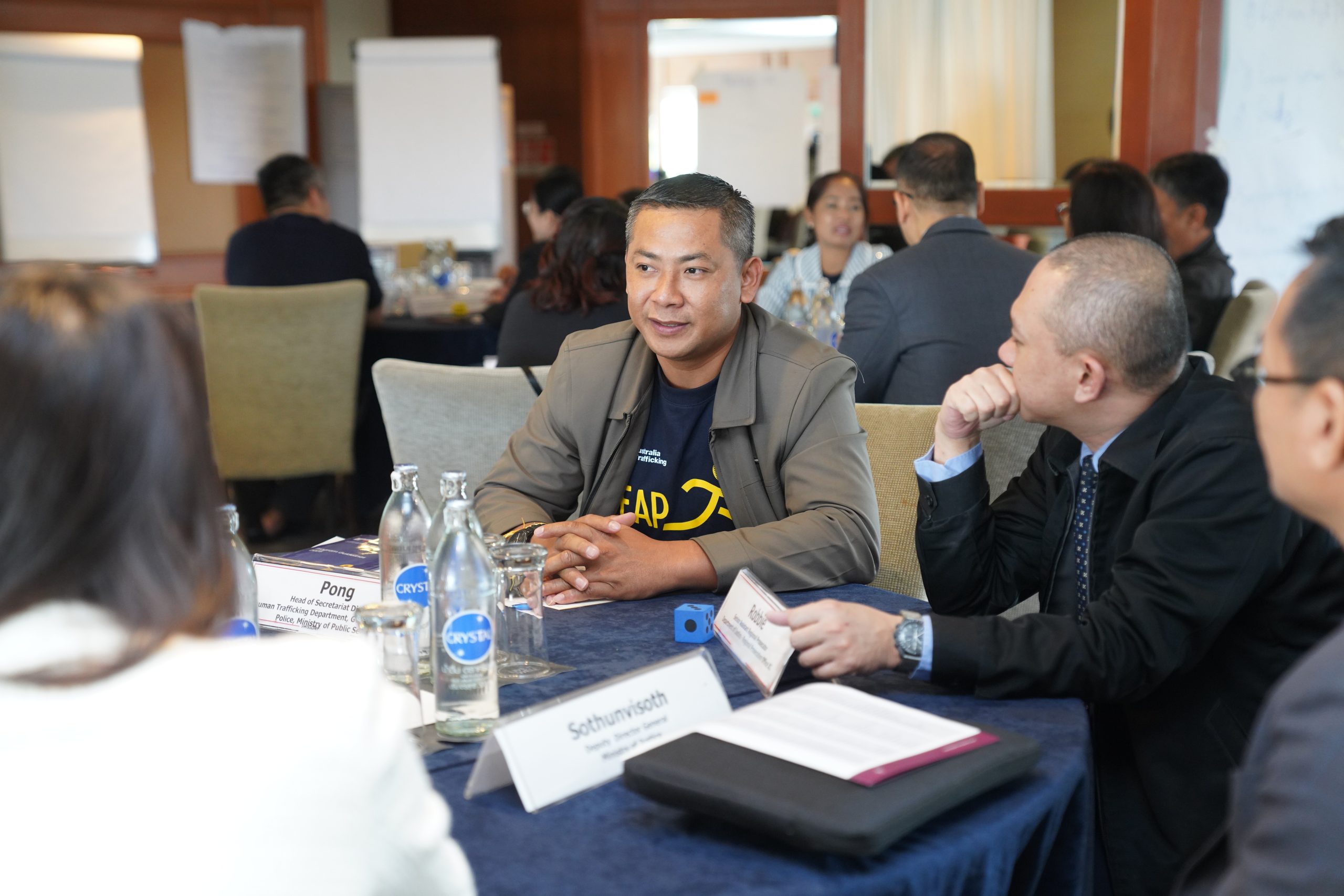
The cohort brought together a range of key actors in countering trafficking – judges, prosecutors, financial investigators, police, social workers, and shelter managers.
I joined this program because I want to lead not just through expertise, but through influence that inspires collaboration across agencies and strengthen the systems we rely on.”
— Prosecutor Robert Razon (Philippines)
Over the year, leaders met online and in-person to unpack over 15 leadership frameworks and models covering areas such as systems thinking, business acumen, psychological safety, resilience, and navigating uncertainty.
They also held a mirror to themselves – through a self-assessment tool, 360-degree feedback, and coaching conversations that provided a clearer understanding of their strengths, blind spots, and growth areas as leaders.
But perhaps the most meaningful shift came from listening to one another. Many said the most useful part wasn’t a specific tool – it was understanding how colleagues in other sectors and countries see the same problem differently.
It was actually self‑realisation that encouraged me not to be an ideal leader, but an authentic one with a learning mindset.”
– Desiree Sumalinog-Fantonalgo (Philippines)
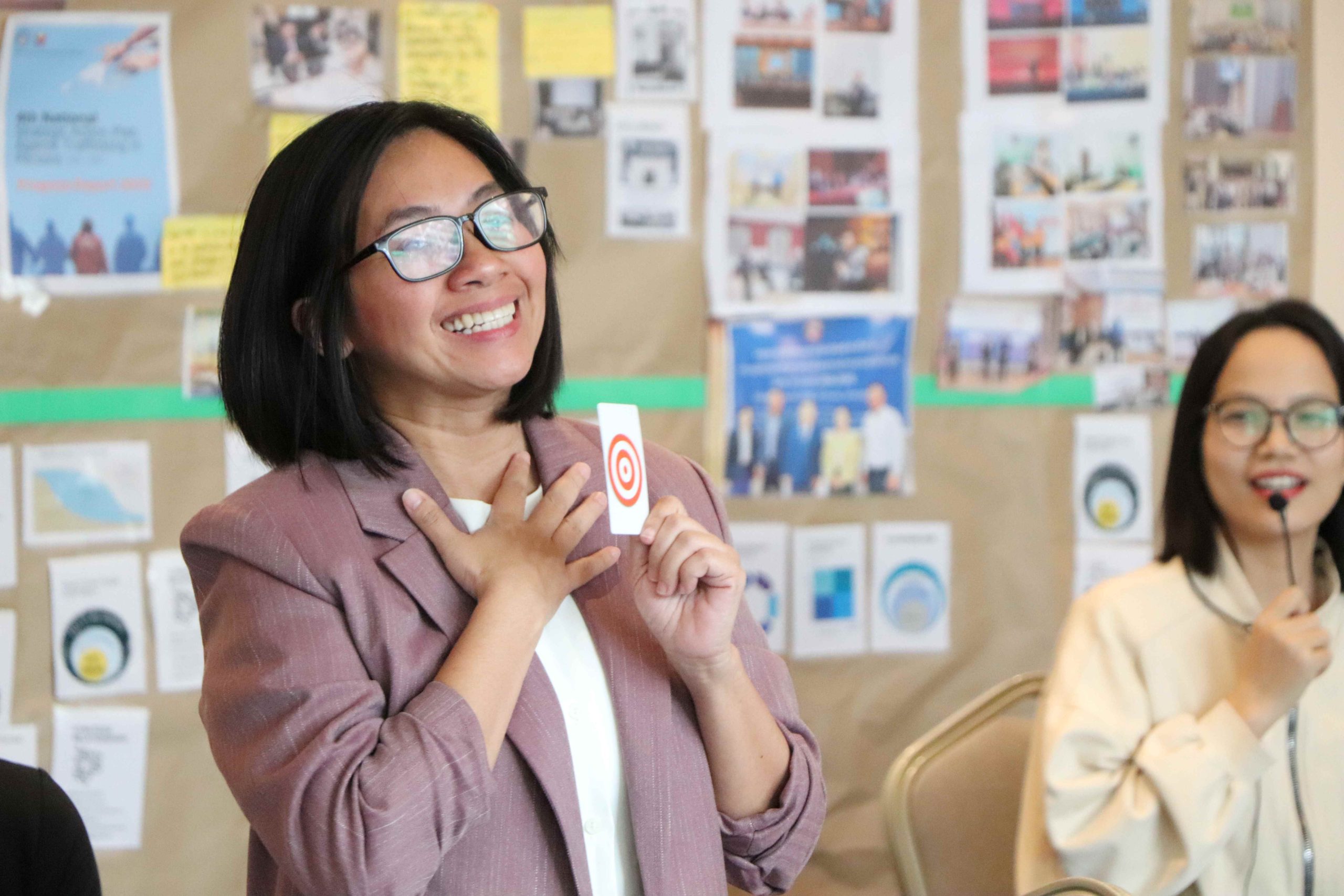
For many, it was the first opportunity to cultivate their leadership capabilities beyond technical expertise, and to explore the less visible architecture of influence, trust, and systems thinking that underpins meaningful change.
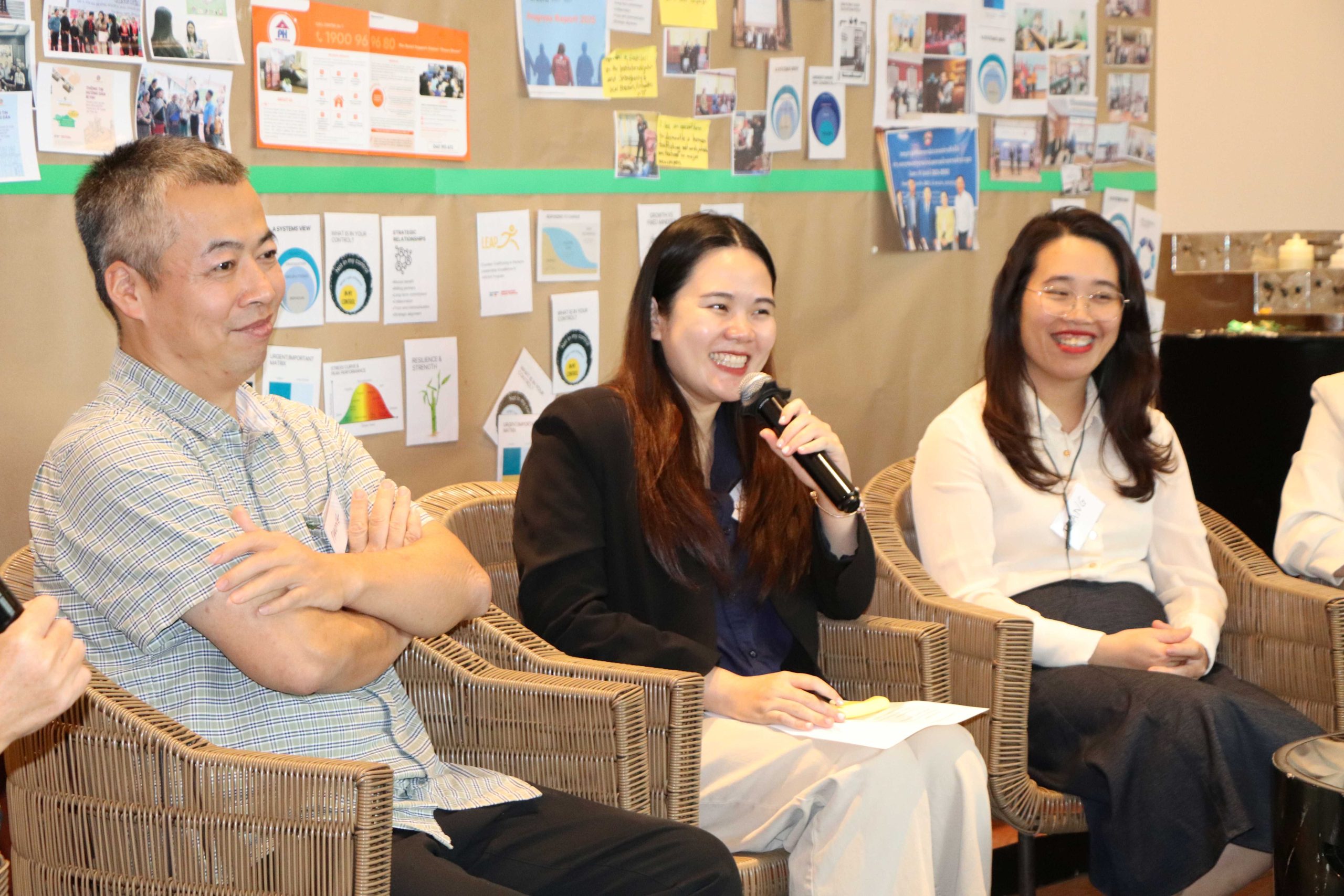
What impressed me most about the course was gaining a deeper understanding of how to provide clear direction and meaningful motivation for my team. I learned to lead with values as the foundation – listening with intention, delegating with trust, and empowering colleagues to take initiative and collaborate with greater purpose.”
– Nguyen Khanh Linh (Vietnam)
A key component of the course was applying the learnings to a Capstone Project — a country‑specific group project focused on addressing a counter‑trafficking challenge.
Throughout the year, the four groups dissected the issue, mapped the system around it, and tested small interventions. For many, sharing project progress with other countries at an in-person workshop in Ho Chi Minh City (June 2025) – revealed gaps that were not immediately visible. Sharing their work with peers allowed them to compare approaches, exchange ideas, and see that many of the challenges they face are shared across borders.
The Capstone Projects also became a practical way for participants to apply leadership skills from the course – not in abstract exercises, but in real organisational settings. Several participants noted that working on these projects helped them better understand how other agencies operate, and why certain bottlenecks persist.
By the time they reached the final workshop, each group had a clearer picture and a set of recommendations shaped by months of reflection and testing. Although the projects varied in focus, they all reinforced a common insight: meaningful progress often begins with a few committed people taking small steps together, learning as they go, and bringing others along with them.
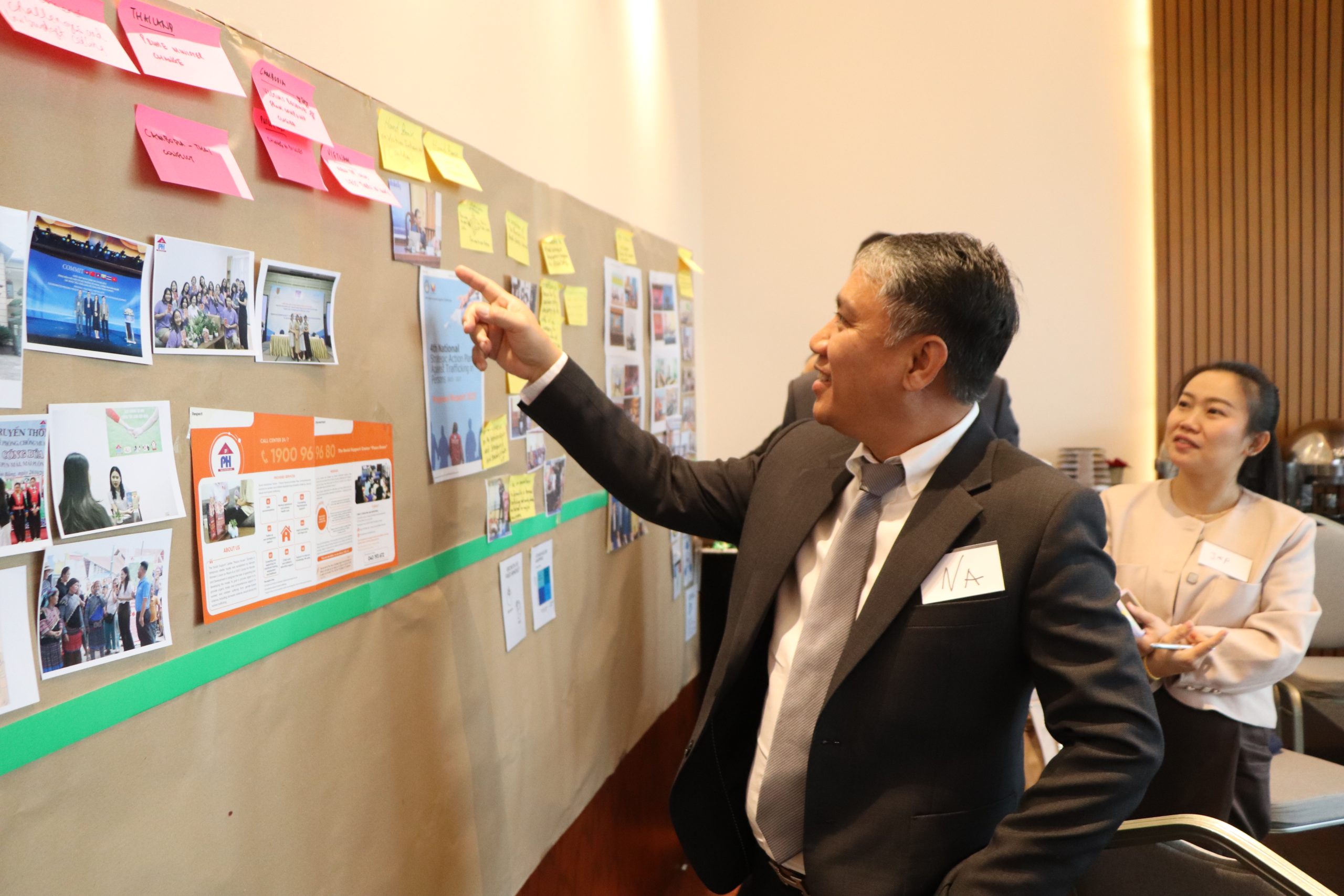
– Nalin Chea (Cambodia)
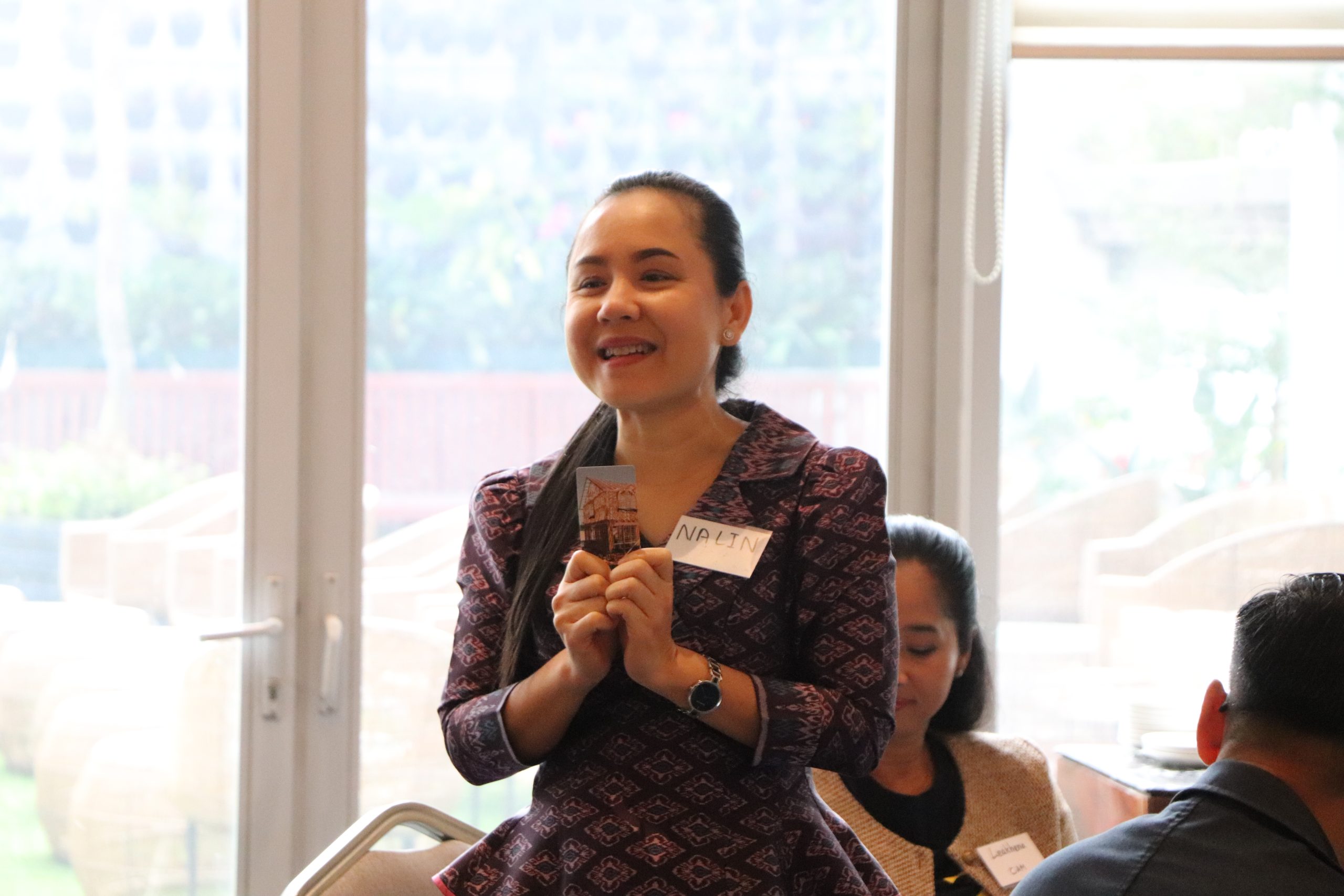
LEAP didn’t just change the way I work — it changed the way I see people, my team, and myself. It has transformed me from a practitioner into a leader who drives positive change within my organization and across ASEAN.”
– Wisitsak Singkhan (Thailand)
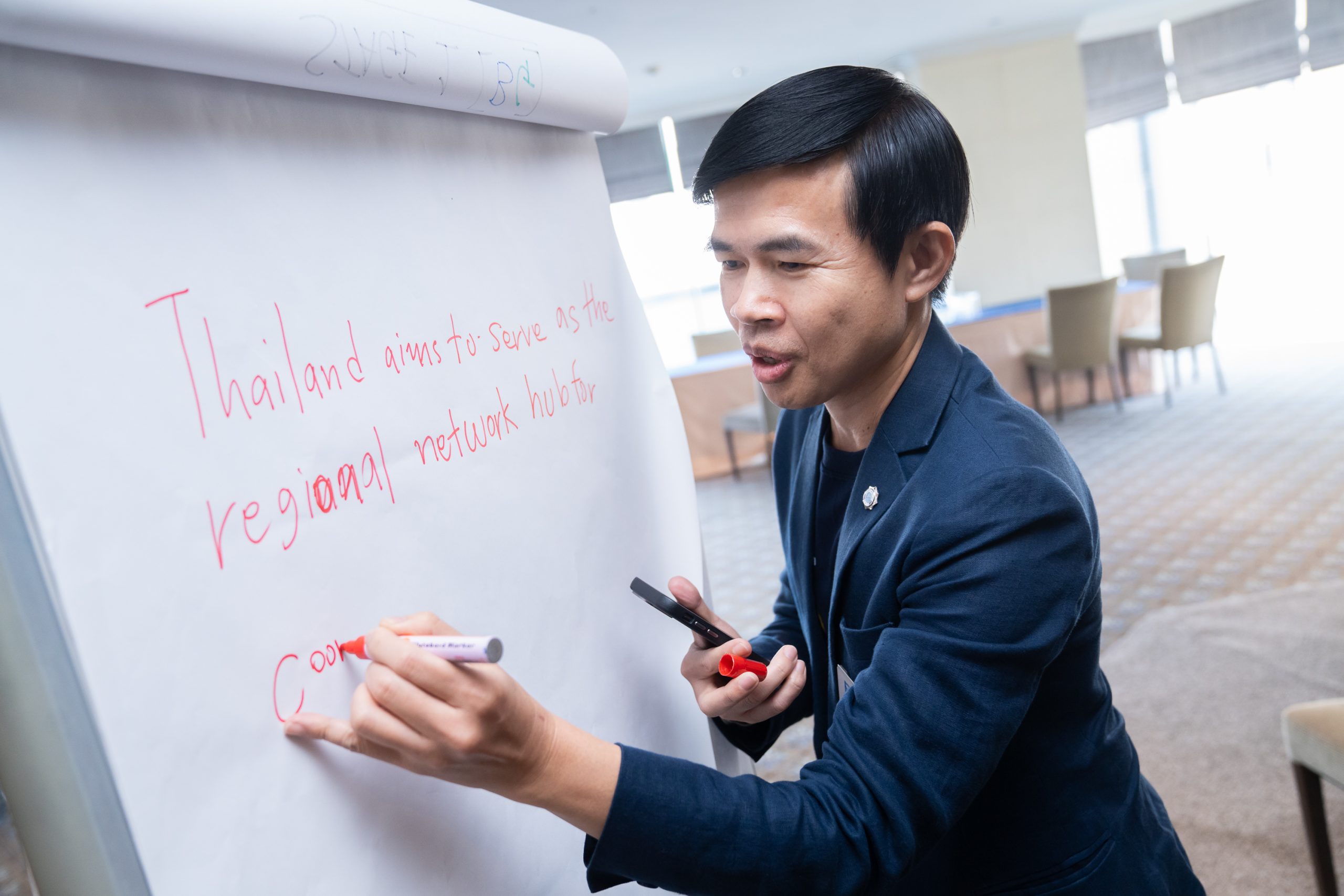
The final workshop and graduation (2-3 December 2025) in Manila, Philippines focused on bringing everything together: the skills, the frameworks, the conversations, and the quiet shifts participants experienced throughout the year.
A big part of this was synthesising their learning. Participants worked in small groups to do ‘teach‑backs’ — retelling key concepts from the course in their own words, using examples from their agencies and frontline work. This wasn’t about repeating content; it was about making sense of what they would actually carry forward. Many found that explaining a concept to peers revealed what had truly stuck, and what they still wanted to develop.
The final days also created space for structured reflection. Participants looked back at how their confidence had changed, what assumptions they had let go of, and which parts of their leadership practice had shifted during the year. Some reflected on how they now approach decision‑making; others spoke about how the course had helped them navigate tension, build trust across agencies, or influence without relying on hierarchy.
Alongside reflection, there was planning. Each participant developed a personal leadership plan – a simple roadmap for the next six to twelve months, creating accountability.
By the time the leaders reached the certificates and photos, many said the real milestone wasn’t the ceremony at all. It was the sense of clarity that came from looking at the year as a whole – recognising how their understanding of leadership had expanded, and how their role inside their organisation and across the region now felt different. The ceremony closed the program, but the two days before it helped participants see how far they had travelled and where they wanted to go next.
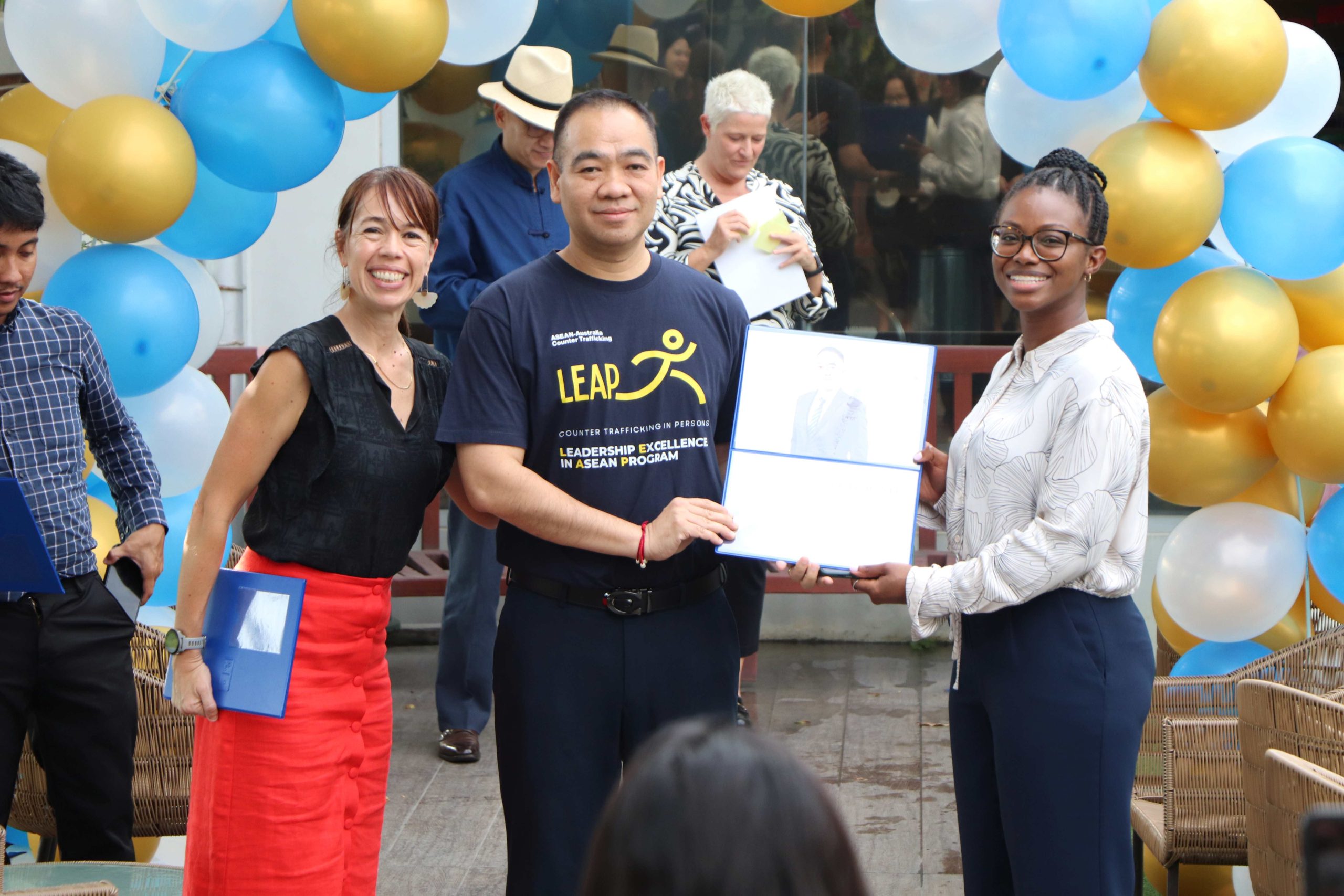
The CTIP LEAP is a new initiative run by the ASEAN-Australia Counter Trafficking program, delivered by Polaris Global Consultancy.